 Google Plus
Hello Lovelies!
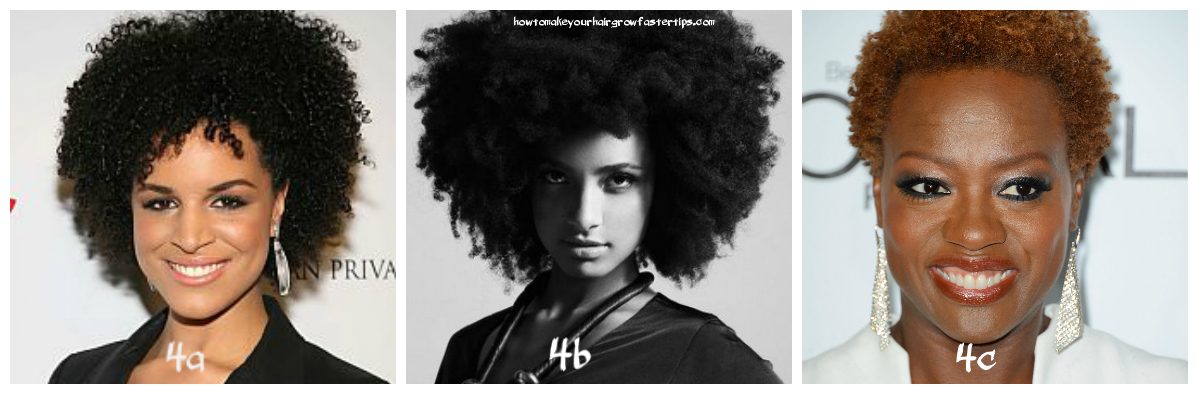
For those of you ladies with type 4 hair, cleansing is perhaps the simplest part of your hair care regimen. If I had to think of one word to describe how I feel about hair cleansing for your type 4 ladies, it would have to be, “jealous!” Yes, jealous! I say this because you ladies on average don’t have to cleanse your hair nearly as often as any other hair types. Why? Well, type 4 hair tends to be the driest of all hair types; simply because the oils from the scalp rarely, if ever, travel down the hair strands. This also means that type 4 hair doesn’t get as dirty as often as other hair types, so washing your hair every week just isn’t necessary. Additionally, washing your hair often could cause more harm than good for type four hair.
Type four hair is the most fragile hair type. Because hair in general is most fragile while it is wet, frequently wetting type 4 hair places highly textured strands at a significant risk of breakage and damage. So my word of advice, only, and I mean only wash your hair when it’s absolutely dirty.
Don’t be Afraid of Shampoo
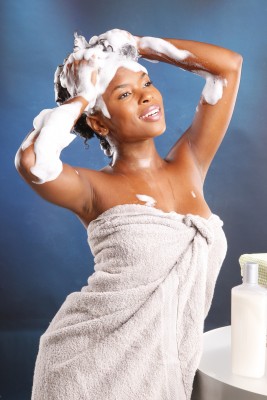
Unlike other hair types, I think shampoo should be the main cleanser type 4 ladies use. Type 4 ladies probably benefit the least from most than any other hair type from conditioner washing. Now don’t get me wrong, if you have short type 4 hair, co-washing is fine and actually a great way to keep your hair moist as it grows longer. However, as you retain more length to your type 4 hair, the benefits are sort of negligible.
If you have type 4 hair, chances are you’ll be using heavier hair products to keep your hair moist and manageable in between washes. Those products can cause buildup that only shampoo can remove, and adding co-washing on top of heavy products can add more buildup to the hair. It’s okay to use shampoo as your main cleanser if you have type 4 hair because you won’t be shampooing as often as other hair types. However, I would recommend that you dilute your shampoos with water, or use natural or DIY homemade shampoos to mitigate the drying effect on your hair.
Mechanics of Hair Cleansing for Type 4 Hair
Unlike other hair types that can wash their hair while it’s lose and free, for many type 4 ladies, this spells for tangles, matting and an all around disaster. Prior to washing highly textured hair, I’d recommend pre-pooing with oil and lightly detangling the hair to prevent tangling during washing. Additionally, if you have enough length, braid or twist your hair into sections before washing, and cleanse your hair while it’s in braids. Don’t worry about the length of your hair, the run off from the water and cleanser as your rinse your scalp is more than enough to cleans the strands of your hair.
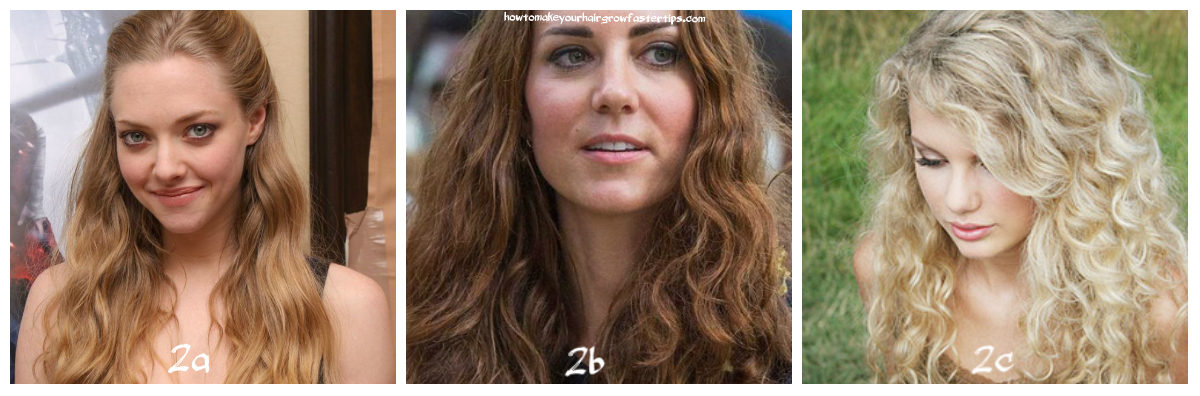
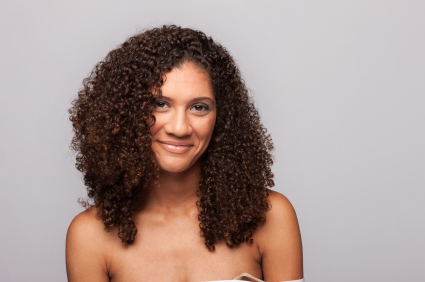
 Like most people, wavy haired girls are accustomed to using shampoo to cleanse their hair and scalp. However, the harsh detergents that are in most shampoos can wreck havoc on wavy hair if used too often. Now because wavy hair girls tend to use heavier hair products than someone with type 1 hair, wavy hair ladies have to use shampoo at some time to prevent product buildup. However, you don’t have to use shampoo as often as you think. It’s okay to only shampoo your hair once or maybe twice a month to remove oils and products from your hair. A clarifying shampoo is the best type of shampoo to use for product buildup. However, I only recommend that you use a natural clarifying shampoo to preserve as much moisture in your hair as possible.
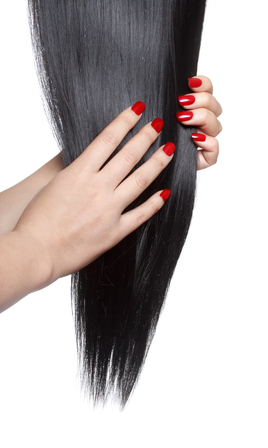
 If you must wash your hair everyday, avoid commercial shampoos that contain any of these harmful ingredients or skip shampoo all together! Co-washing is a great alternative to shampooing your hair, but you straight hair gals have to be careful not to overdo it. I say this because straighter hair is already naturally oily, and you don’t need any additional build-up that can only be removed with commercial shampoos, which I just suggested you avoid. The most you need anyway to cleanse your scalp is warm water. Also, if you only want to cleanse your scalp, consider a dry shampoo or a natural scalp cleansing method.